Best Spine Surgeon in Ranchi
Back pain ruling your life?
Stand tall again.
Move without fear of the next spasm. Expert spine surgery and back pain treatment for slipped disc, sciatica, spondylosis and spinal stenosis — an operation only when it is genuinely needed.
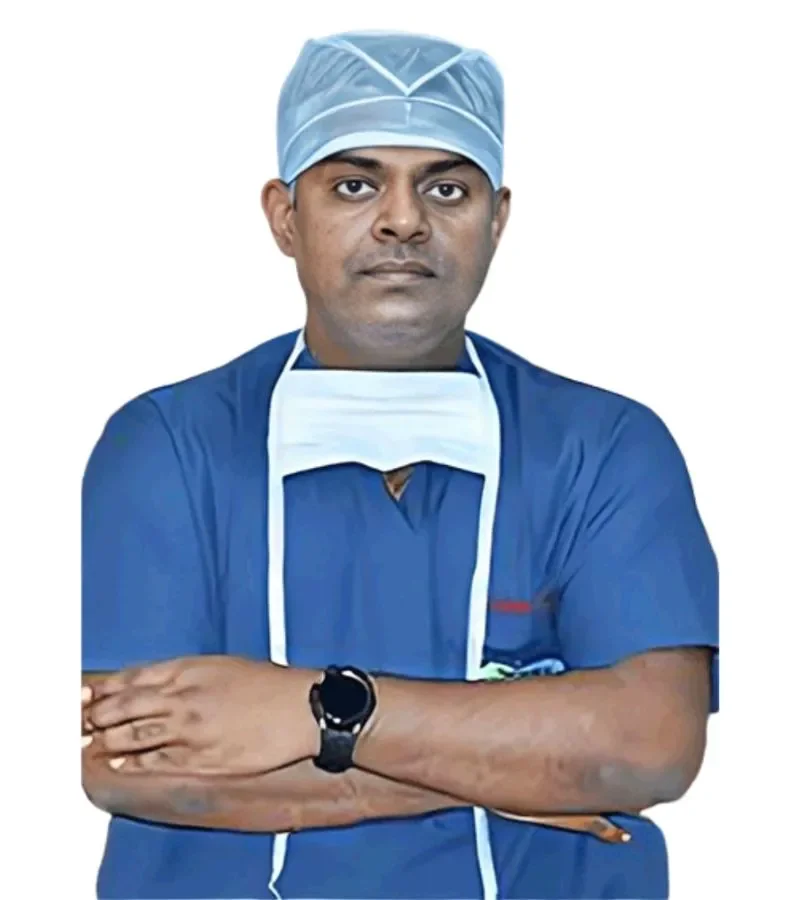
Fellowship in Joint Replacement, Arthroscopy & Spine Surgery (Germany)
MBBS Gold Medalist | Internationally Trained
Reg. No. 5390 · Jharkhand Medical Council (2017)
+91 92418 91432
Spine treatment — quick answers
“The right diagnosis first. Surgery only if you truly need it.”
What is it?
Diagnosis and treatment of spine problems — from physiotherapy and injections to advanced minimally invasive procedures for the discs and nerves of the back and neck.
Who needs it?
People with a slipped (herniated) disc, sciatica, spondylosis, spinal stenosis, scoliosis or a spine fracture — especially when pain, numbness or weakness won’t settle.
Recovery time
After a minimally invasive procedure, most patients walk the same or next day and go home in 1–3 days, returning to routine over 2–6 weeks.
Cost
Approx. ₹1.5–4 lakh depending on the procedure — far more affordable than metros. Insurance & cashless available.
What causes back and neck pain?
“Free the trapped nerve early and over 9 in 10 patients recover fully.”
Your spine is a column of small bones (vertebrae) cushioned by soft intervertebral discs and threaded by the spinal cord and nerves. When a disc bulges or slips, when bone spurs form, or when the spinal canal narrows, those nerves get pinched — and the result is back pain, neck pain, sciatica, numbness or weakness that can radiate down the leg or arm.
Most back pain is mechanical and settles with rest, physiotherapy and time. But a slipped (herniated) disc, spinal stenosis or an unstable spine can keep pressing on a nerve, and no amount of painkillers fixes the root cause. That is when a proper evaluation by an experienced spine surgeon matters most.
As one of the trusted names for spine and back pain treatment, Dr. Ankur Saurav focuses on finding the exact source of pain with a careful examination, X-rays and MRI — then treating it at the lowest level of intervention that works. Surgery, when needed, is minimally invasive, protecting muscle and speeding recovery.
Spine conditions treated
From common back pain to complex spine disorders — accurately diagnosed and treated.
Slipped / Herniated Disc
A bulging or ruptured disc pressing on a nerve, causing sharp back pain that often shoots down the leg. Treated with physiotherapy, injections or endoscopic/microdisc surgery.
Sciatica
Burning or shooting pain from the lower back down the leg due to a pinched sciatic nerve. Most cases improve without surgery once the cause is treated.
Spondylosis (Neck & Back)
Age-related wear of the spine — cervical and lumbar spondylosis — causing stiffness, neck pain and radiating symptoms. Managed medically and surgically when severe.
Spinal Stenosis
Narrowing of the spinal canal that squeezes the nerves, causing leg pain and heaviness on walking. Relieved with decompression surgery when conservative care fails.
Scoliosis & Deformity
Abnormal sideways curve or deformity of the spine in children or adults. Assessed and corrected with bracing or advanced deformity-correction surgery.
Spine Fractures & Trauma
Vertebral fractures from injury or osteoporosis, treated with bracing or minimally invasive vertebroplasty / kyphoplasty to relieve pain and restore stability.
Most back pain does not
need surgery
Get evaluated soon if you have
- Leg or arm pain, numbness or tingling that keeps spreading
- Weakness in a foot, leg or hand, or a foot that drags
- Back or neck pain that has not settled after 6 weeks of proper care
- Loss of bladder or bowel control, or numbness around the groin
- An MRI showing a large disc herniation or nerve compression
Conservative care tried first
- Physiotherapy, posture correction and core strengthening
- Anti-inflammatory medicines and short activity modification
- Targeted nerve-root or epidural injections for pain relief
- Weight management and ergonomic changes at work
Sudden loss of bladder/bowel control or rapidly worsening leg weakness is an emergency — seek care immediately. For everything else, around 8 in 10 patients recover without an operation. Dr. Saurav recommends an operation only when nerve compression is clearly proven and conservative treatment has genuinely failed.
Types of spine surgery
When surgery is needed, the least invasive effective option is chosen.
Endoscopic Spine Surgery
Keyhole surgery through a tiny incision using an endoscope. Least tissue damage, minimal blood loss, day-care or short stay, and the fastest recovery for suitable disc problems.
Microdiscectomy
Removal of the herniated portion of a disc through a small incision using a microscope, freeing the pinched nerve. A proven, reliable fix for a slipped disc with sciatica.
Laminectomy / Decompression
Removing bone or tissue that narrows the spinal canal to relieve pressure on the nerves — the main treatment for spinal stenosis and leg-heaviness on walking.
Spinal Fusion
Joining two or more vertebrae with implants to stabilise an unstable or slipping spine (spondylolisthesis), restoring alignment and lasting pain relief.
Vertebroplasty / Kyphoplasty
Minimally invasive stabilisation of a fractured vertebra with bone cement — rapid pain relief for osteoporotic and traumatic spine fractures, often as day-care.
Deformity Correction
Advanced correction of scoliosis and spinal deformity in children and adults, restoring a balanced, upright spine and protecting the nerves.
How spine treatment
works, step by step
Detailed consultation — your history and symptoms are heard in full, with a careful neurological examination.
Accurate diagnosis — X-rays and MRI pinpoint the exact disc, nerve or level causing your pain.
Conservative care first — physiotherapy, medication and injections are tried whenever they can work.
Surgery only if proven — recommended solely when nerve compression is clear and non-surgical care has failed.
Minimally invasive procedure — endoscopic or microscopic technique protects muscle and reduces blood loss.
Early mobilisation — most patients stand and walk the same or next day with support.
Short hospital stay — typically 1 to 3 days, with a clear home-care and physiotherapy plan.
Structured rehabilitation — guided recovery to rebuild core strength and prevent recurrence.
Every spine is different. Dr. Saurav uses advanced imaging and minimally invasive techniques to give you the smallest surgery that solves the problem.
Recovery after spine surgery
Walking with support the same or next day. Nerve pain often eases immediately. Pain managed with medication.
Discharge home for most minimally invasive procedures. Gentle walking encouraged; heavy bending and lifting avoided.
Return to desk work and light routine. Guided physiotherapy begins to rebuild core and back strength.
Most daily activities resumed. Walking distance and stamina grow. Posture and ergonomics reinforced.
Full functional recovery for most patients, with a strong core protecting the spine long-term.
Fusion and deformity surgery need a longer, staged recovery. Your exact timeline is explained clearly before surgery.
Preparing for spine surgery
Careful preparation and strict safety protocols give the best, safest result.
Before your surgery
Before your operation, Dr. Saurav’s team runs a full pre-surgical work-up — X-rays, an MRI, blood tests and a fitness and anaesthesia assessment — to confirm the diagnosis and make sure you are ready. Long-term conditions such as diabetes, blood pressure or heart disease are optimised first, and you are told clearly which medicines (such as blood thinners) to pause and when to stop eating before admission.
On the day, the procedure, your expected hospital stay and the recovery plan are explained again so you and your family know exactly what to expect — with a transparent, itemised cost estimate shared in advance and no hidden charges.
How your safety is protected
Your spinal surgery is performed in a dedicated, sterile operating theatre with an experienced anaesthesia team and strict infection-control protocols. Minimally invasive techniques and nerve protection safeguard the spinal nerves and reduce blood loss. Blood-clot (DVT) prevention, careful tissue handling and quality imported implants further reduce risk and protect your result.
Dr. Saurav personally reviews your recovery, and the Medifirst Hospital team stays reachable for any concern after you go home. Serious complications are uncommon — and the honest, careful selection of who truly needs surgery is itself one of the most important safety steps of all.
Spine surgery cost
The cost of the procedure depends on:
Most health insurance policies cover spinal surgery, with cashless facility available at Medifirst Hospital, Ranchi.
Why patients choose Dr. Ankur Saurav for spine care
Patients across Ranchi & Jharkhand get advanced spine care from Dr. Saurav — German fellowship training with an honest, surgery-last philosophy — without travelling to Delhi or Kolkata.
Fellowship-Trained
Fellowship in spine surgery, arthroscopy & joint replacement from Germany.
Surgery-Last Approach
Around 8 in 10 back-pain patients are treated without any operation.
Minimally Invasive
Endoscopic & microscopic techniques — small incisions, faster recovery.
Direct Surgeon Access
Consult directly with your surgeon from first visit through recovery.
Clear, Honest Advice
Every scan explained plainly, with a straight answer on whether you need surgery.
Cashless Insurance
Cashless health-insurance facility at Medifirst Hospital, Ranchi.
Related orthopedic care: Total Knee Replacement · Hip Replacement · Sports Injury & ACL
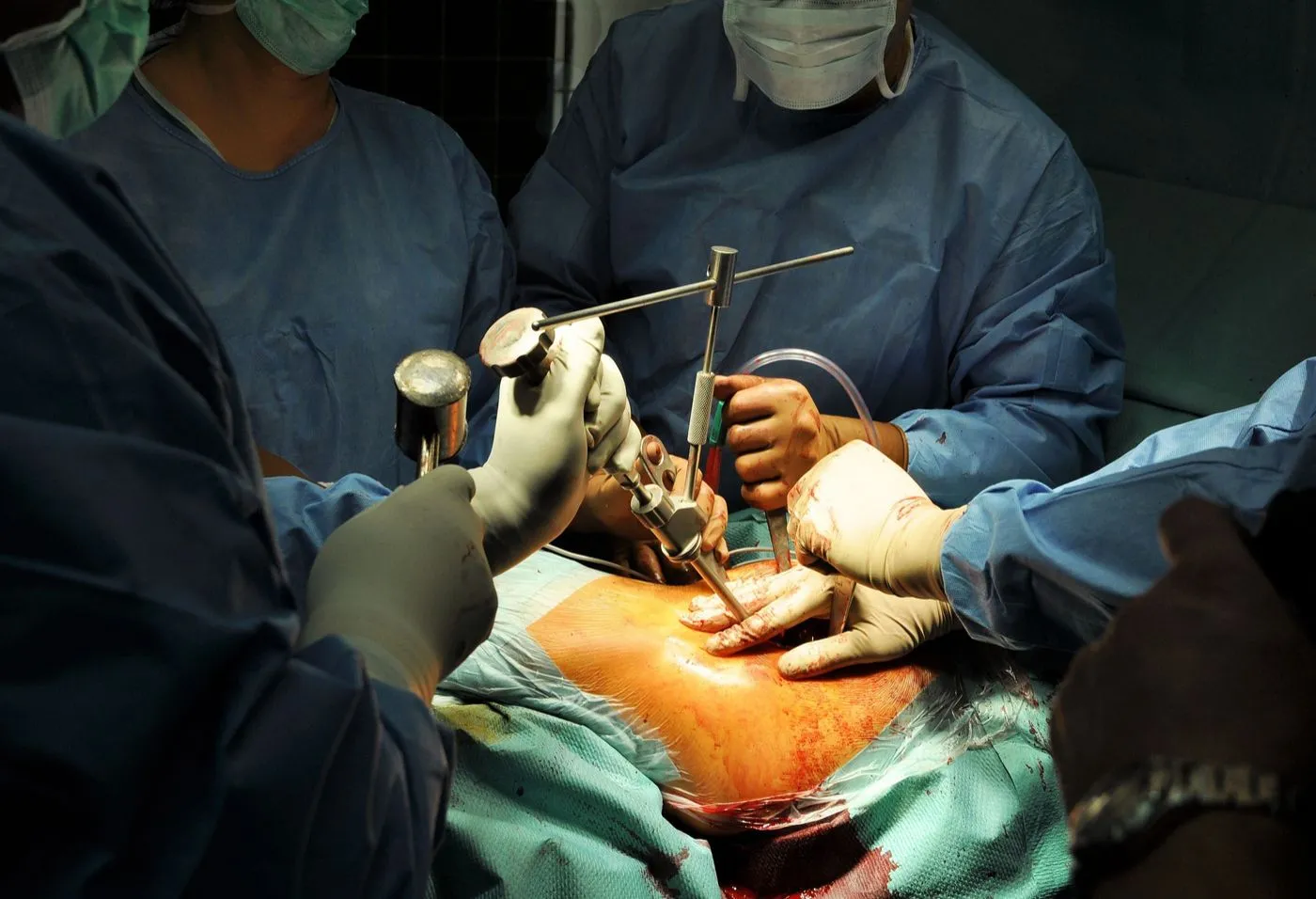
Spine surgery in action
A glimpse of precision, minimally invasive back surgery by Dr. Ankur Saurav at Medifirst Hospital, Ranchi.
Dr. Ankur Saurav is a very good and experienced doctor. He listened patiently, explained the problem clearly, and guided us with the right treatment. The behaviour was very polite and caring. We are thankful for the support.
Despaired after my accident, Dr. Ankur Saurav gave me hope and bolstered my confidence to work again like pre-accident.
My nerve problem is cured properly. Very thankful to Dr. Ankur Saurav.
Improvement is very fast through the doctor. Excellent orthopedic care.
Very good doctor. Recovery rate very fast.
Ankur sir is a great doctor. Fully satisfied with the treatment.
Very good doctor. Highly recommended in Ranchi.
Good treatment, thank you so much.
Spine & back pain
questions, answered.
Does a slipped disc always need surgery?
Is spine surgery safe? Will I be paralysed?
What is minimally invasive (endoscopic) spine surgery?
How soon can I walk after the procedure?
How long is the recovery after the operation?
What is the cost of spine surgery in Ranchi?
Is spinal surgery covered by health insurance?
Can back pain be treated without surgery?
What is sciatica and how is it treated?
How do I choose the best spine surgeon in Ranchi?
When is back pain an emergency?
When can I return to work after the operation?
or WhatsApp your MRI for an opinion
A pain-free back.
Expert spine care.
A proper evaluation tells you whether you need surgery at all — or whether the right conservative treatment can fix it. Visit Dr. Ankur Saurav at Medifirst Hospital, Ranchi — or connect instantly on WhatsApp.
Medifirst Hospital Pvt. Ltd.
SubPlot No.2703/1 and 2703/2, Plot No. 2703, Booty Rd, near Suryodaya Apartment, Vijay Nagar, Bariatu, Ranchi, Jharkhand 834012
Mon – Sat: 10:00 AM – 7:00 PM
Sunday: 10:00 AM – 4:00 PM
★★★★★ 4.9 (226 reviews)
 Visit at Medifirst