रांची में सबसे अच्छे हिप लेब्रल टियर सर्जन
मुड़ते ही जांघ के जोड़ में गहरा दर्द?
हिप लेब्रल रिपेयर।
लेब्रम मज़बूत कार्टिलेज का एक छल्ला है, जो कूल्हे की सॉकेट को सील करके उसे स्थिर रखता है। इसमें टियर, जो अक्सर इम्पिंजमेंट (एफएआई) के साथ आता है, जवान और सक्रिय लोगों में जांघ के जोड़ में गहरा दर्द, अटकन और कट-कट की आवाज़ पैदा करता है। की-होल हिप आर्थ्रोस्कोपी में लेब्रम की रिपेयर की जाती है और इम्पिंजमेंट को दोबारा आकार दिया जाता है, ताकि आपका अपना कुदरती कूल्हे का जोड़ बचा रहे।
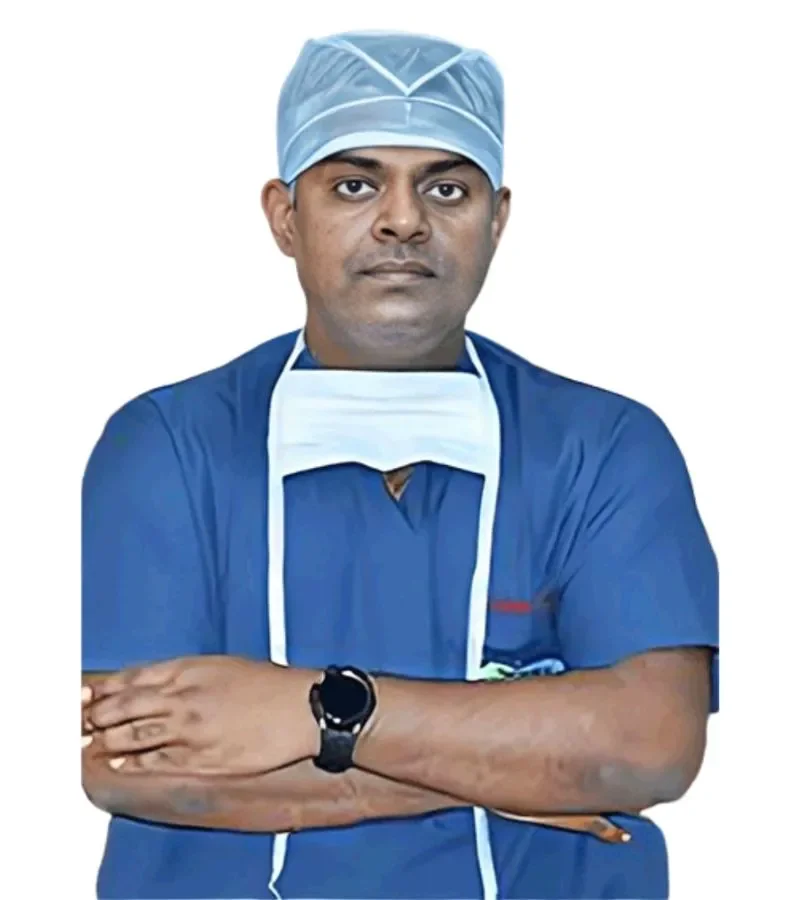
जॉइंट रिप्लेसमेंट, आर्थ्रोस्कोपी और स्पाइन सर्जरी में फेलोशिप (जर्मनी)
एमबीबीएस गोल्ड मेडलिस्ट | अंतरराष्ट्रीय स्तर पर प्रशिक्षित
रजि. नं. 5390 · झारखंड मेडिकल काउंसिल
+91 92418 91432
हिप लेब्रल टियर, कुछ ज़रूरी जवाब
इनमें से ज़्यादातर टियर एफएआई इम्पिंजमेंट के साथ आते हैं, यह कोई मामूली हिप-फ्लेक्सर खिंचाव नहीं है।
यह है क्या?
लेब्रम में एक टियर, जो कार्टिलेज का वह छल्ला है जो कूल्हे की सॉकेट को सील करके स्थिर रखता है। यह अक्सर फीमोरोएसीटैबुलर इम्पिंजमेंट (एफएआई) के साथ आता है, जिसमें गेंद या सॉकेट पर बनी अतिरिक्त हड्डी हरकत के दौरान जोड़ को दबाती है।
लक्षण
बगल की बजाय जांघ के जोड़ में गहरा दर्द, अटकन, कट-कट या जोड़ का जकड़ जाना, देर तक बैठने या गाड़ी से उतरते समय तकलीफ, मुड़ने या घूमने पर दर्द, और यह अहसास कि कूल्हा जवाब दे सकता है।
क्या सर्जरी ज़रूरी है?
हमेशा नहीं। बहुत से टियर आराम, गतिविधियों में बदलाव और सही फिजियोथेरेपी से ठीक हो जाते हैं। हिप आर्थ्रोस्कोपी तब सोची जाती है जब सही इलाज के बावजूद दर्द और अटकन बनी रहे।
खर्च
रिपेयर कितनी पेचीदा है, इस पर खर्च करीब ₹90,000 से 2 लाख तक आता है। हिप आर्थ्रोस्कोपी घुटने या कंधे की स्कोप से तकनीकी रूप से ज़्यादा कठिन होती है। बीमा और कैशलेस सुविधा उपलब्ध है।
हिप लेब्रल टियर क्या होता है?
जवान और सक्रिय मरीज़ों में लेब्रम की रिपेयर की-होल सर्जरी से होती है, पर तभी जब फिजियोथेरेपी को पूरा मौका दे दिया गया हो।
लेब्रम मज़बूत फाइब्रोकार्टिलेज का घोड़े की नाल जैसा एक छल्ला है, जो कूल्हे की सॉकेट यानी एसीटैबुलम के किनारे को ढकता है। यह सॉकेट को गहरा करता है, फीमोरल हेड (जांघ की हड्डी के ऊपरी सिरे की गेंद) के चारों ओर एक चूषण-सील बनाता है और जोड़ पर बोझ को बराबर बाँटने में मदद करता है। लेब्रम में टियर आने पर वह सील टूट जाती है, जोड़ कम स्थिर हो जाता है, हरकत में अटकन या कट-कट होने लगती है, और नीचे का कार्टिलेज असामान्य दबाव झेलने लगता है।
जवान और सक्रिय मरीज़ों में इनमें से ज़्यादातर टियर फीमोरोएसीटैबुलर इम्पिंजमेंट (एफएआई) के साथ आते हैं, जिसमें या तो फीमोरल नेक पर (एक कैम उभार, जो ऊपर दिखाया गया है) या सॉकेट के किनारे पर (एक पिंसर) अतिरिक्त हड्डी होती है, जो हर बार कूल्हे के गहराई से मुड़ने या घूमने पर लेब्रम को दबाती है, जैसे उकड़ूँ बैठने, मुड़ने वाले खेलों, मार्शल आर्ट्स या बस देर तक नीचे बैठे रहने में। बार-बार का यह दबाव धीरे-धीरे लेब्रम को अंदर से घिसकर फाड़ देता है।
यह पेज फटे लेब्रम और एफएआई के लिए कूल्हे को बचाने वाली की-होल सर्जरी पर है, जिसमें जवान और सक्रिय लोगों में गेंद और सॉकेट को दोबारा एक स्थिर और सही आकार के जोड़ में बदल दिया जाता है, ताकि कूल्हा समय से पहले होने वाले गठिया से बचा रहे। यह उस घिसे हुए गठिया वाले कूल्हे से एक अलग समस्या और अलग ऑपरेशन है, जिसके लिए हिप रिप्लेसमेंट ज़रूरी होता है। अलग-अलग जोड़ों में इस्तेमाल होने वाली आम की-होल तकनीक के लिए आर्थ्रोस्कोपी सर्जरी देखें।
हिप आर्थ्रोस्कोपी से ठीक होने वाली समस्याएँ
कूल्हे के लिए की-होल सर्जरी, जो जोड़ को बदलने के बजाय बचाने के लिए होती है।
लेब्रल टियर
जांघ के जोड़ में गहरे दर्द, अटकन या कट-कट की वजह बना फटा लेब्रम, जिसकी या तो रिपेयर होती है या ऊतक बहुत ज़्यादा खराब होने पर उसे तराशकर एक स्थिर किनारा बनाया जाता है।
एफएआई / इम्पिंजमेंट (कैम और पिंसर)
फीमोरल नेक (कैम) या सॉकेट के किनारे (पिंसर) पर बनी ज़्यादा हड्डी को बर से दोबारा आकार दिया जाता है, ताकि कूल्हा लेब्रम को दबाए बिना हिल सके।
ढीले टुकड़े
जोड़ में तैरते हड्डी या कार्टिलेज के टुकड़े, जो अचानक जोड़ को जकड़ देते हैं या तेज़ अटकन वाला दर्द देते हैं, उन्हें ढूँढकर निकाल दिया जाता है।
कार्टिलेज की खराबी
गेंद या सॉकेट को ढकने वाले कार्टिलेज की शुरुआती घिसावट, जो एफएआई के साथ दिखती है, उसे चिकना किया जाता है या माइक्रो-फ्रैक्चर करके नए ऊतक बनने को बढ़ावा दिया जाता है।
स्नैपिंग हिप
कूल्हे पर आवाज़ के साथ अटकती कोई कंडरा या इलियोटिबियल बैंड, जिसे ढीला किया जाता है या उसके पीछे छिपे इम्पिंजमेंट को ठीक किया जाता है।
जाँच वाली स्कोप
जब एमआरआई साफ़ नतीजा न दे पर लक्षण जोड़ की ओर साफ़ इशारा करें, तब अंदर सीधे देखकर पक्का निदान होता है। आर्थ्रोस्कोपी सर्जरी देखें।
कूल्हे को कब बचाएँ,
और कब नहीं
सर्जरी कब मदद करती है (जोड़ को बचाना)
- लक्षण देने वाला टियर, जो किसी सेहतमंद और जवान जोड़ में एफएआई के साथ हो
- फिजियोथेरेपी का पूरा कोर्स करने के बाद भी बनी रहने वाली जांघ के जोड़ की गहरी पीड़ा और अटकन
- सक्रिय और खेलने वाले मरीज़, जो मुड़ने या दमदार गतिविधि में लौटना चाहते हैं
- ऐसा कार्टिलेज, जो स्कैन और आर्थ्रोस्कोपी में काफ़ी हद तक सही-सलामत हो
- जोड़ को आगे के गठिया से बचाने के लिए शुरुआती इलाज
आर्थ्रोस्कोपी कब सही जवाब नहीं
- एक्स-रे में जोड़ की जगह घटने के साथ जमा हुआ कूल्हे का गठिया
- बड़ी उम्र और कम सक्रिय मरीज़, जिनके लक्षण गठिया के हों, लेब्रम के नहीं
- कूल्हे का गंभीर डिस्प्लेसिया, जिसमें सॉकेट ही इतनी उथली हो कि उसे बचाया न जा सके
- जोड़ खोलने पर आर्थ्रोस्कोपी में मिली कार्टिलेज की भारी घिसावट
जोड़ को बचाना हमेशा सही चुनाव नहीं होता। जब जोड़ पहले ही घिसकर गठिया में बदल चुका हो, तो की-होल रिपेयर उस घड़ी को पीछे नहीं मोड़ सकती, ऐसे में हिप रिप्लेसमेंट ज़्यादा भरोसेमंद जवाब होता है। डॉ. सौरव कोई भी राह सुझाने से पहले जोड़, स्कैन और मरीज़ की सक्रियता को ईमानदारी से परखते हैं।
हिप आर्थ्रोस्कोपी कैसे
होती है, कदम-दर-कदम
जाँच, परीक्षण, एक्स-रे और एमआरआई (अक्सर एमआरआई-आर्थ्रोग्राम) टियर और इम्पिंजमेंट के पैटर्न को पक्का करते हैं और सर्जरी का नक्शा तय करते हैं।
एनेस्थीसिया और खिंचाव, स्पाइनल या जनरल एनेस्थीसिया में, पैर को हल्के से खींचकर ऐसी स्थिति दी जाती है कि औज़ारों के लिए जोड़ की जगह खुल जाए।
की-होल छेद, एक्स-रे (फ्लोरोस्कोपी) की मदद से कूल्हे के चारों ओर दो या तीन छोटे छेद बनाए जाते हैं।
कैमरा अंदर, आर्थ्रोस्कोप स्क्रीन पर लेब्रम, कार्टिलेज और हड्डी का बड़ा और तुरंत दिखने वाला नज़ारा दिखाता है।
लेब्रल रिपेयर, फटे लेब्रम को महीन सूचर एंकर से सॉकेट के किनारे पर दोबारा जोड़ा जाता है, ताकि सील बहाल हो जाए।
इम्पिंजमेंट को आकार देना, फीमोरल नेक पर कैम उभार और सॉकेट के किनारे पर मौजूद पिंसर को एक बारीक बर से तराशा जाता है।
छेद बंद, खिंचाव हटाया जाता है, छोटे चीरों को कम से कम टाँकों से बंद किया जाता है और हल्की पट्टी लगाई जाती है।
सँभालकर वज़न देना और रीहैब, दो से चार हफ़्ते बैसाखी के सहारे सीमित वज़न, इसके बाद एक व्यवस्थित फिजियोथेरेपी कार्यक्रम।
कितनी आकार-रचना और रिपेयर की ज़रूरत है, इस पर हिप आर्थ्रोस्कोपी आमतौर पर 60 से 120 मिनट लेती है। इसके लिए खिंचाव और फ्लोरोस्कोपी की मदद वाली खास तकनीक का प्रशिक्षण चाहिए, जो घुटने या कंधे की स्कोप से अलग है।
हिप लेब्रल टियर सर्जरी का खर्च
हिप आर्थ्रोस्कोपी का खर्च इन बातों पर निर्भर करता है:
ज़्यादातर स्वास्थ्य बीमा पॉलिसी हिप आर्थ्रोस्कोपी को कवर करती हैं, और मेडीफर्स्ट हॉस्पिटल, रांची में कैशलेस सुविधा उपलब्ध है।
हिप आर्थ्रोस्कोपी की तैयारी
हिप आर्थ्रोस्कोपी की-होल प्रक्रियाओं में से एक ज़्यादा कठिन प्रक्रिया है, जहाँ सोची-समझी योजना और खास तकनीक नतीजे को सुरक्षित रखती है।
सर्जरी से पहले
हिप आर्थ्रोस्कोपी से पहले डॉ. सौरव कूल्हे की खास जाँच और इमेजिंग से निदान पक्का करते हैं, आमतौर पर एक्स-रे और एमआरआई या एमआरआई-आर्थ्रोग्राम से, ताकि टियर को आँका जा सके और एफएआई का पैटर्न (कैम, पिंसर या दोनों) नापा जा सके। खून की जाँच और फ़िटनेस व एनेस्थीसिया की परख यह पक्का करती है कि आप तैयार हैं, और आपको साफ़ बताया जाता है कि कौन-सी दवाइयाँ रोकनी हैं और भर्ती से पहले खाना कब बंद करना है।
चूँकि हिप आर्थ्रोस्कोपी जोड़ को बचाने और बदलने के बीच की चीज़ है, इसलिए सर्जरी के दौरान कार्टिलेज को ध्यान से देखा जाता है। अगर घिसावट सोच से ज़्यादा निकले, तो ऐसे जोड़ की रिपेयर करने के बजाय जो टिकेगा ही नहीं, आपको यह बात ईमानदारी से बता दी जाती है। पूरा और मद-दर-मद खर्च का अनुमान पहले ही दे दिया जाता है, कोई छिपा हुआ चार्ज नहीं।
आपकी सुरक्षा कैसे रखी जाती है
हिप आर्थ्रोस्कोपी में खास कौशल चाहिए, फ्लोरोस्कोपी के नीचे छेदों की सटीक जगह ताकि सायटिक और फीमोरल नसें बचें, और नपा-तुला खिंचाव जो सिर्फ़ उतनी देर दिया जाए जितना ज़रूरी हो और ध्यान से देखा जाए, ताकि नस या त्वचा पर दबाव की चोट न हो। इस तकनीक में डॉ. सौरव का प्रशिक्षण, सख़्त रोगाणुरहित नियमों के साथ, इस कठिन सर्जरी को सुरक्षित बनाए रखता है।
खून के थक्के (डीवीटी) से बचाव, एंकर की सावधानी से जमावट और चरणबद्ध, सँभलकर वज़न देने वाली रीहैब योजना रिपेयर को भरने के दौरान सुरक्षित रखती है। डॉ. सौरव खुद आपकी रिकवरी की राह दिखाते हैं, और घर लौटने के बाद किसी भी चिंता के लिए मेडीफर्स्ट हॉस्पिटल की टीम उपलब्ध रहती है। सही मरीज़ को सही प्रक्रिया, बचाव या बदलाव, से मिलाना ही सबसे अहम सुरक्षा कदम है।
हिप लेब्रल टियर के इलाज के लिए मरीज़ डॉ. अंकुर सौरव को क्यों चुनते हैं
कूल्हा-बचाव आर्थ्रोस्कोपी में प्रशिक्षित रांची के कुछ गिने-चुने सर्जनों में से एक होने के नाते, डॉ. सौरव जर्मनी की फेलोशिप को जोड़-बचाने वाली सटीक तकनीक के साथ मिलाते हैं।
हिप आर्थ्रोस्कोपी में महारत
खिंचाव और फ्लोरोस्कोपी की मदद वाली कूल्हा-बचाव सर्जरी में खास प्रशिक्षण।
जर्मनी फेलोशिप
कम चीर-फाड़ वाली जॉइंट और आर्थ्रोस्कोपी सर्जरी में अंतरराष्ट्रीय फेलोशिप प्रशिक्षण, जो कूल्हा बचाने में लगाया जाता है।
ईमानदार बचाव बनाम बदलाव का चुनाव
आपका कूल्हा बचाया जाए या बदला जाए, इस पर साफ़ सलाह, कभी बस सर्जरी के लिए सर्जरी नहीं।
आगे के गठिया से बचाव
शुरुआती लेब्रल रिपेयर और एफएआई की ठीकाई का मकसद उस घिसावट को धीमा करना है, जो बाद की ज़िंदगी में गठिया लाती है।
बढ़िया सूचर एंकर
टिकाऊ लेब्रल रिपेयर के लिए अंतरराष्ट्रीय गुणवत्ता वाले सूचर एंकर, पारदर्शी कीमत के साथ।
कैशलेस बीमा
मेडीफर्स्ट हॉस्पिटल में कैशलेस स्वास्थ्य बीमा सुविधा, भर्ती से पहले मद-दर-मद अनुमान के साथ।
स्पोर्ट्स चोट और आर्थ्रोस्कोपी · आर्थ्रोस्कोपी सर्जरी · हिप रिप्लेसमेंट का हिस्सा
Dr. Ankur Saurav is a very good and experienced doctor. He listened patiently, explained the problem clearly, and guided us with the right treatment. The behaviour was very polite and caring. We are thankful for the support.
Despaired after my accident, Dr. Ankur Saurav gave me hope and bolstered my confidence to work again like pre-accident.
My nerve problem is cured properly. Very thankful to Dr. Ankur Saurav.
Improvement is very fast through the doctor. Excellent orthopedic care.
Very good doctor. Recovery rate very fast.
Ankur sir is a great doctor. Fully satisfied with the treatment.
Very good doctor. Highly recommended in Ranchi.
Good treatment, thank you so much.
हिप लेब्रल टियर
से जुड़े सवालों के जवाब।
हिप लेब्रल टियर क्या होता है?
फटे हिप लेब्रम के क्या लक्षण होते हैं?
क्या हिप लेब्रल टियर में हमेशा सर्जरी ज़रूरी होती है?
हिप आर्थ्रोस्कोपी क्या है और टियर की रिपेयर कैसे होती है?
हिप आर्थ्रोस्कोपी के बाद रिकवरी में कितना समय लगता है?
मैं काम और खेल पर कितनी जल्दी लौट सकता हूँ?
रांची में हिप लेब्रल टियर के इलाज का खर्च कितना है?
हिप आर्थ्रोस्कोपी के जोखिम या दिक्कतें क्या हैं?
या राय के लिए अपना स्कैन WhatsApp करें
की-होल की सटीकता।
तेज़ रिकवरी।
एक सही जाँच बताती है कि आपके जोड़ के लिए आर्थ्रोस्कोपी सही जवाब है या नहीं। मेडीफर्स्ट हॉस्पिटल, रांची में डॉ. अंकुर सौरव से मिलें, या WhatsApp पर तुरंत जुड़ें।
मेडीफर्स्ट हॉस्पिटल प्रा. लि.
SubPlot No.2703/1 and 2703/2, Plot No. 2703, Booty Rd, near Suryodaya Apartment, Vijay Nagar, Bariatu, Ranchi, Jharkhand 834012
सोम से शनि: सुबह 10:00 बजे से शाम 7:00 बजे
रविवार: सुबह 10:00 बजे से शाम 4:00 बजे
★★★★★ 4.9 (226 समीक्षाएँ)
 Visit at Medifirst